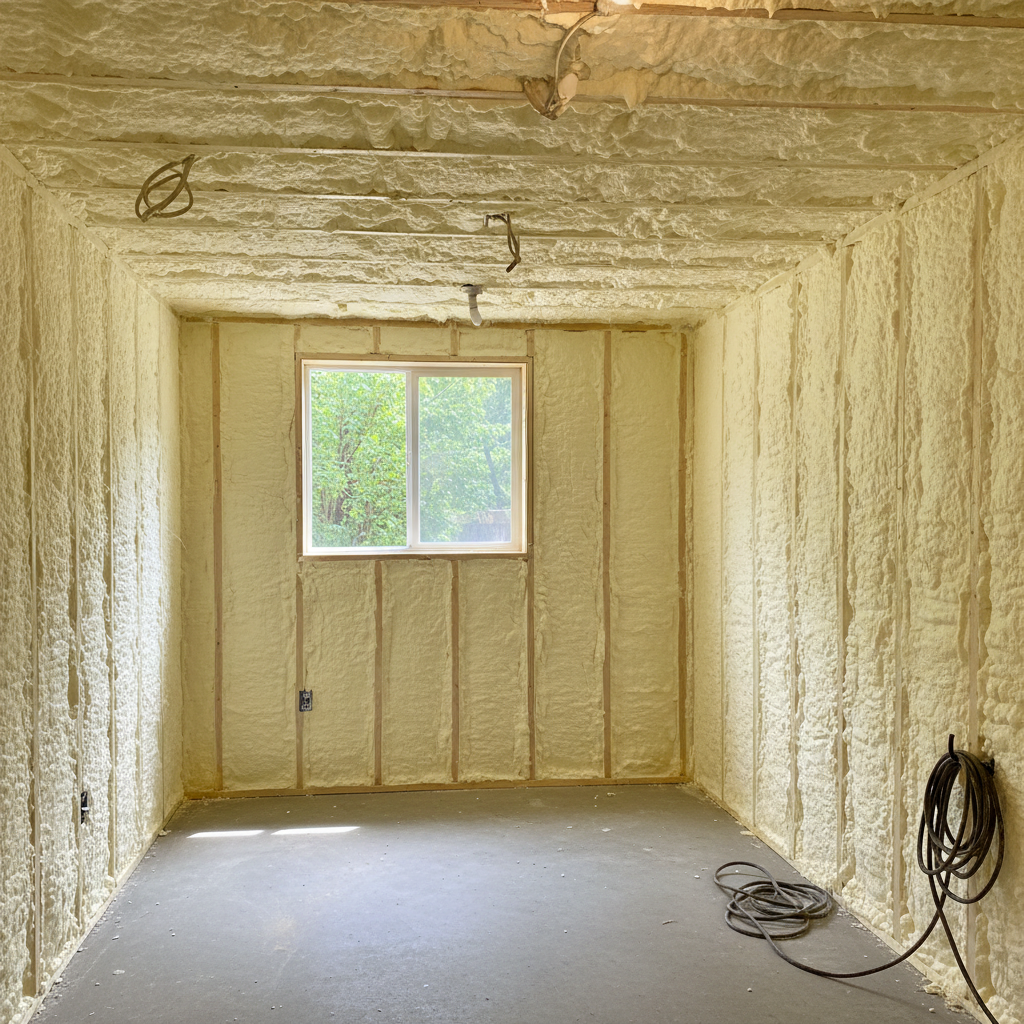
Homes down near Joe Pool Lake often feel damp and clammy while other properties stay dry and comfortable. Oasis Insulation sees that much of this issue comes down to how well the lower levels are sealed against local Texas weather. Oasis Insulation gets plenty of questions about when to tackle upgrades like basement insulation and how to protect that work once it is done.
Understanding the Grand Prairie Climate Impact
Oasis Insulation deals with scorching, humid summers and sudden winter freezes right here in the Dallas-Fort Worth metroplex. That extreme weather shift puts serious stress on your foundation walls and rim joists. When warm, humid summer air hits a cool uninsulated basement wall, condensation forms fast. That moisture breeds mold and ruins indoor air quality before you even notice it. Insulating those below-grade spaces creates a thermal break that stops heat gain and keeps humidity from taking over your lower level in Grand Prairie, TX.
When to Schedule Your Installation
Timing matters for basement insulation. Property owners want to avoid scheduling major insulation work during the peak of summer heat or right in the middle of severe spring storm seasons. Fall and early winter often provide the most stable outdoor conditions for getting the job done right. Temperatures are moderate, and relative humidity levels inside the house are easier to manage during application, especially if Oasis Insulation is spraying closed-cell foam that requires specific curing conditions.
Weather Factors That Affect the Work
Weather plays a huge role on installation day. High humidity or sudden heavy rain can spike moisture levels in concrete foundation walls, which prevents proper bonding for spray materials. If a torrential downpour floods the area right before technicians arrive, the team might need to push things back a day to let the masonry dry out. Oasis Insulation always checks local forecasts closely because dry, stable weather ensures your basement insulation adheres properly and performs for decades in Grand Prairie.
Protecting Your Investment Year-Round
Once your upgrade is in place, protecting basement insulation is straightforward. Property owners must keep an eye on grading outside. Grand Prairie has notorious expansive clay soil that shifts constantly with the rain and drought cycles, which can pull soil away from your foundation or push water straight toward it. Make sure your gutters and downspouts direct rainwater well away from the house. Inside, run a dehumidifier during the muggiest summer months to keep air moving. Routine checks twice a year will ensure your lower level stays dry, energy-efficient, and structurally sound through every season.