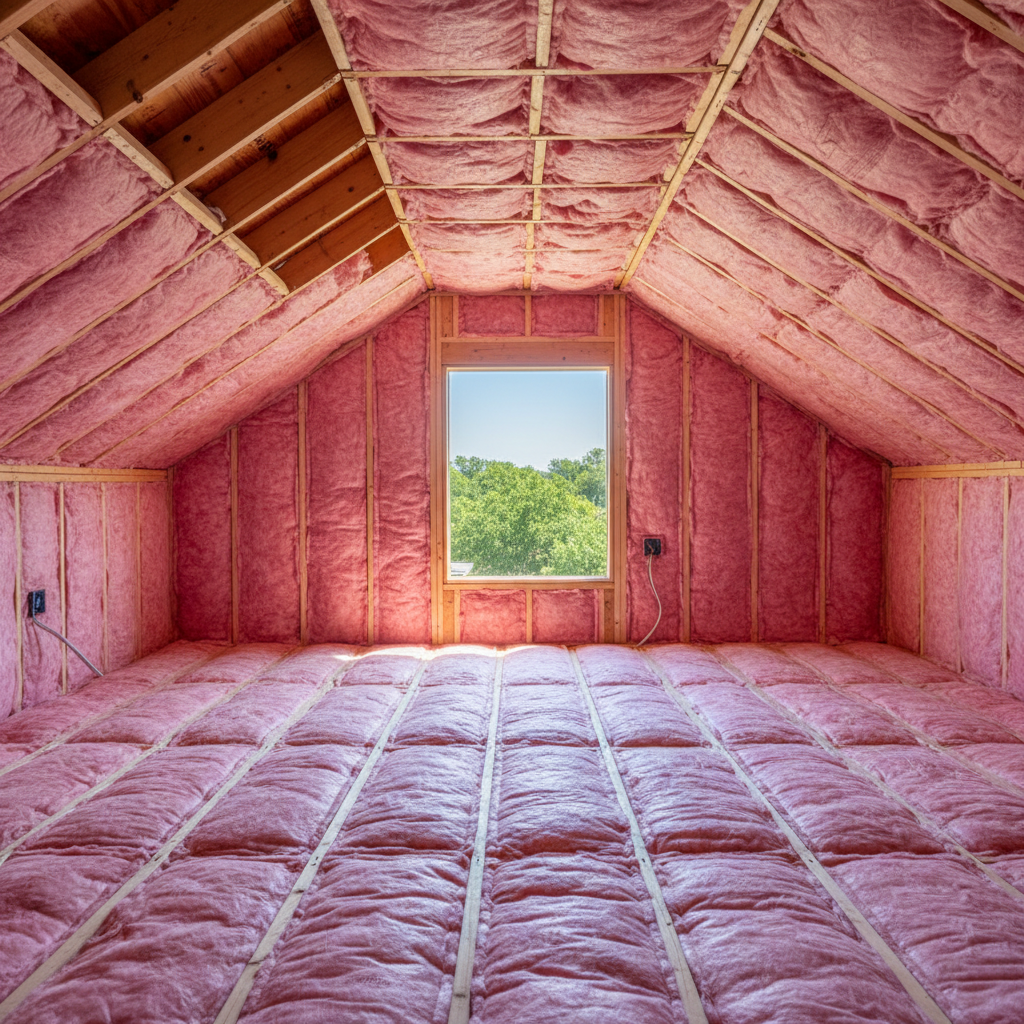
Don't Get Burned: How to Hire a Good Insulation Contractor in Grand Prairie
So, you're thinking about upgrading your home's insulation. Maybe your AC is running non-stop, or your heating bills are through the roof. Good call. Insulation is one of the best investments you can make in your home's comfort and energy efficiency. But finding the right contractor? That can feel like a whole different job. I've been doing this for a while here in Grand Prairie, and I've seen the good, the bad, and the downright ugly. Here’s what you need to know to make sure you get a good one.
What to Ask Before They Even Step Foot in Your House
Before you let anyone come out for an estimate, you should have a few questions ready. This helps you weed out the duds right away.
- Are you licensed and insured? This is non-negotiable. They need to be licensed by the state (if required for the specific work, though insulation often isn't a separate license, they should at least have a general contractor's license or business license) and carry general liability insurance. If they're working on your roof or in your attic, you want to know that if something goes wrong, you're not on the hook.
- How long have you been in business? Experience matters. A company that's been around for a while, especially in our local Grand Prairie climate with its brutal summers and occasional freezes, has seen it all.
- Do you offer free estimates? Most reputable contractors do. Don't pay someone just to tell you what you need.
- What types of insulation do you specialize in? Not every contractor does everything. Some are great with blown-in, others with spray foam. Make sure they're experts in what you're looking for.
What to Look for During the Estimate
Okay, they're at your house. Now what? Pay attention to these details:
- Do they actually inspect your attic/crawl space? A good contractor isn't just going to eyeball your house from the street. They'll get up in your attic, check the existing insulation, look for air leaks, and assess ventilation. If they don't go up there, they're guessing, and you don't want someone guessing about your home's energy performance.
- Do they explain things clearly? They should be able to tell you what they recommend and why, without a bunch of jargon. You should understand the problem and their proposed solution.
- Are they pushing one product too hard? While they might have a preferred product, they should be able to explain the pros and cons of different options for your specific situation. If they're only selling one thing and can't explain why it's best for you, be wary.
- Do they provide a written estimate on the spot or soon after? You need something in writing.
Decoding the Quote: What Should Be There?
Once you get the quote, don't just look at the bottom line. Dig into the details.
- Specific materials: It should clearly state the type of insulation (e.g., R-38 blown-in fiberglass, 2lb closed-cell spray foam), the brand, and the R-value they're installing.
- Area to be insulated: How many square feet are they covering? Are they including knee walls, sloped ceilings, or just the flat attic floor?
- Prep work: Does it include air sealing? Removing old insulation? Baffles for ventilation? These are crucial steps that often get overlooked but make a huge difference.
- Cleanup: What's their plan for cleaning up after the job? You don't want insulation fibers all over your house.
- Warranty: What kind of warranty do they offer on their work and the materials?
- Total cost: Obviously, this is there, but make sure it’s itemized enough that you understand what you're paying for.
Red Flags You Can't Ignore
Some things should make you walk away, no matter how good the price seems.
- High-pressure sales tactics: