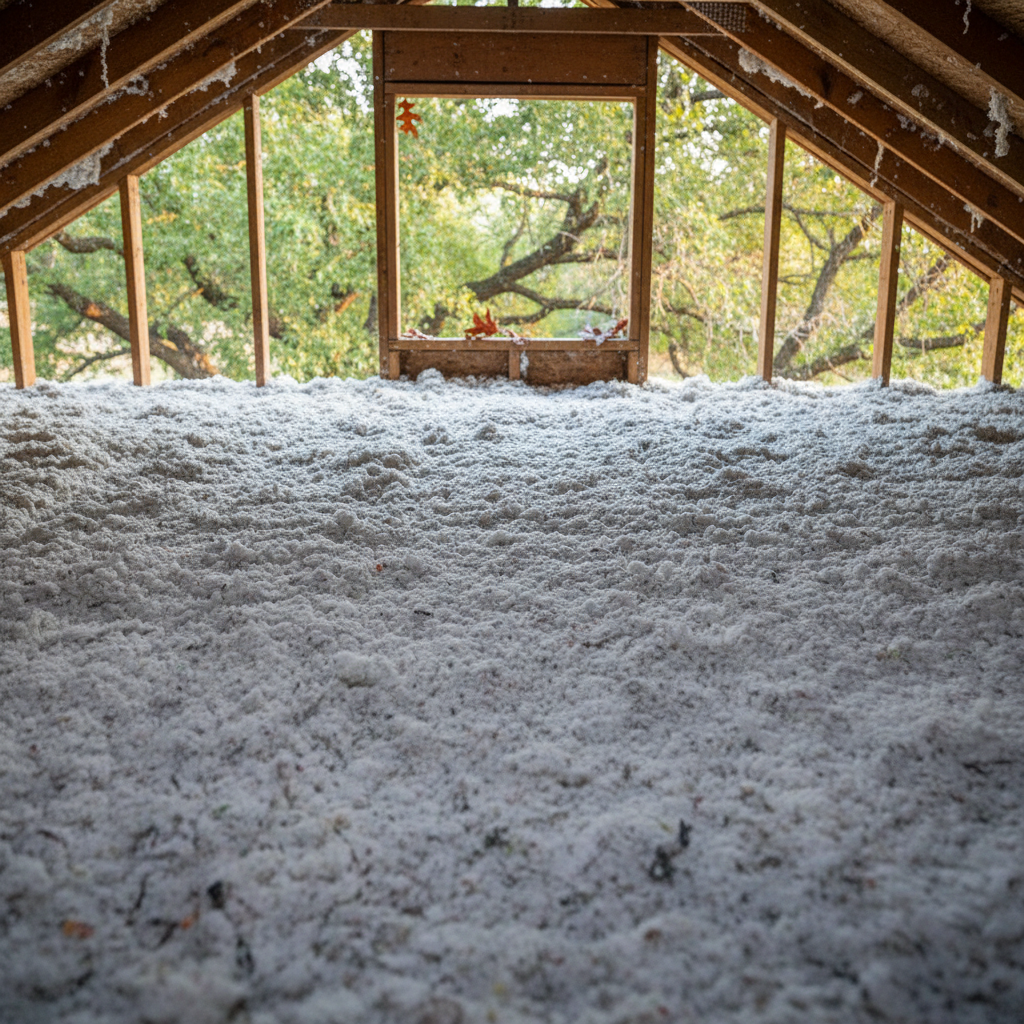
Is your attic insulation doing its job? That's a question I get a lot, especially when folks are sweating through a Grand Prairie summer or shivering in a surprise winter cold snap. There's a ton of info out there, and honestly, a lot of it just confuses people more. So, I figured I'd put together answers to the most common questions I hear from homeowners right here in our community. Let's get right to it.
How do I know if I need more insulation?
This is probably the number one question. First off, if your house was built before, say, 2000, there's a good chance you don't have enough. Building codes have changed, and what was considered 'enough' back then just doesn't cut it for our Texas weather now. Visually, you should see insulation that's at least level with or above your floor joists in the attic. If you can see the top of the joists, you're probably short. Another big clue is uneven temperatures in your house – one room is freezing, another is boiling. High energy bills are a dead giveaway too. If your AC runs non-stop in July or your heater is always on in January, your attic is likely leaking energy like a sieve.
What's the right R-value for Grand Prairie?
R-value is just a fancy way of saying how well insulation resists heat flow. The higher the R-value, the better it insulates. For our climate zone here in Grand Prairie, the Department of Energy recommends an R-value of R-38 to R-60 for attics. Most homes I see around the Dalworth Park area, for instance, are way below that. We typically aim for R-49 or R-60 when we're doing an upgrade. That gives you a good buffer against our extreme heat and those occasional cold snaps. Don't let anyone tell you R-30 is 'fine' for a new install; it's just not optimal for long-term comfort and savings here.
Can I add new insulation over old insulation?
Most of the time, yes, you can. In fact, that's what we do for a lot of our customers. If your existing insulation is dry, not moldy, and hasn't settled into a super thin layer, we can often just add a fresh layer of blown-in fiberglass or cellulose right on top. This is a cost-effective way to boost your R-value significantly. However, if the old stuff is wet, compressed, or contaminated with pests, then it needs to come out first. Adding new insulation over a problem just hides it and can lead to bigger issues down the road. We always do a thorough inspection before making that call.
Will new insulation really lower my energy bills?
Absolutely. This isn't marketing fluff; it's a fact. Your attic is the biggest source of heat gain in the summer and heat loss in the winter. Think about it: the sun bakes your roof all day, turning your attic into an oven. Without proper insulation, that heat radiates right down into your living space, making your AC work overtime. The same goes for cold air escaping. We've seen homeowners cut their heating and cooling costs by 15% to 30% after getting their attic insulation up to snuff. It's one of the best home improvements you can make for energy efficiency and comfort.
What's the difference between fiberglass and cellulose?
These are the two main types of blown-in insulation we use. Fiberglass is made from recycled glass fibers. It's non-combustible and resistant to moisture and mold growth. Cellulose is made from recycled paper products, treated with fire retardants and pest deterrents. Both are excellent choices. Fiberglass tends to be a bit lighter and can be slightly better at resisting air movement if installed densely. Cellulose is often a bit denser and can have a slightly higher R-value per inch. Honestly, for most homes, either one will do a fantastic job when installed correctly by pros like us at Oasis Insulation. It often comes down to specific attic conditions and sometimes even personal preference.
How long does attic insulation last?
Good quality attic insulation, properly installed, should last for decades – easily 30 to 50 years, often longer. It's not something you should have to replace every few years. The main things that can shorten its lifespan are moisture (leaky roof, plumbing issues), pest infestations (rodents nesting in it), or it getting compressed over time from people walking on it or storing heavy items. That's why it's crucial to address any roof leaks or pest problems before you even think about adding or replacing insulation. Protect your investment.
Is it a DIY job or should I hire a pro?
Look, I'm a firm believer in homeowners doing what they can. But attic insulation isn't a weekend warrior project for most folks, especially if you're talking about blown-in. First, attics are nasty places – hot, dusty, cramped, with exposed wiring and sharp nails. You need proper safety gear. Second, getting the right R-value and ensuring even coverage, especially around eaves and tricky corners, takes specialized equipment and experience. If it's not done right, you'll have cold spots, hot spots, and you won't get the energy savings you're paying for. You're dealing with your home's thermal envelope; it's worth getting it done right the first time by someone who knows what they're doing.