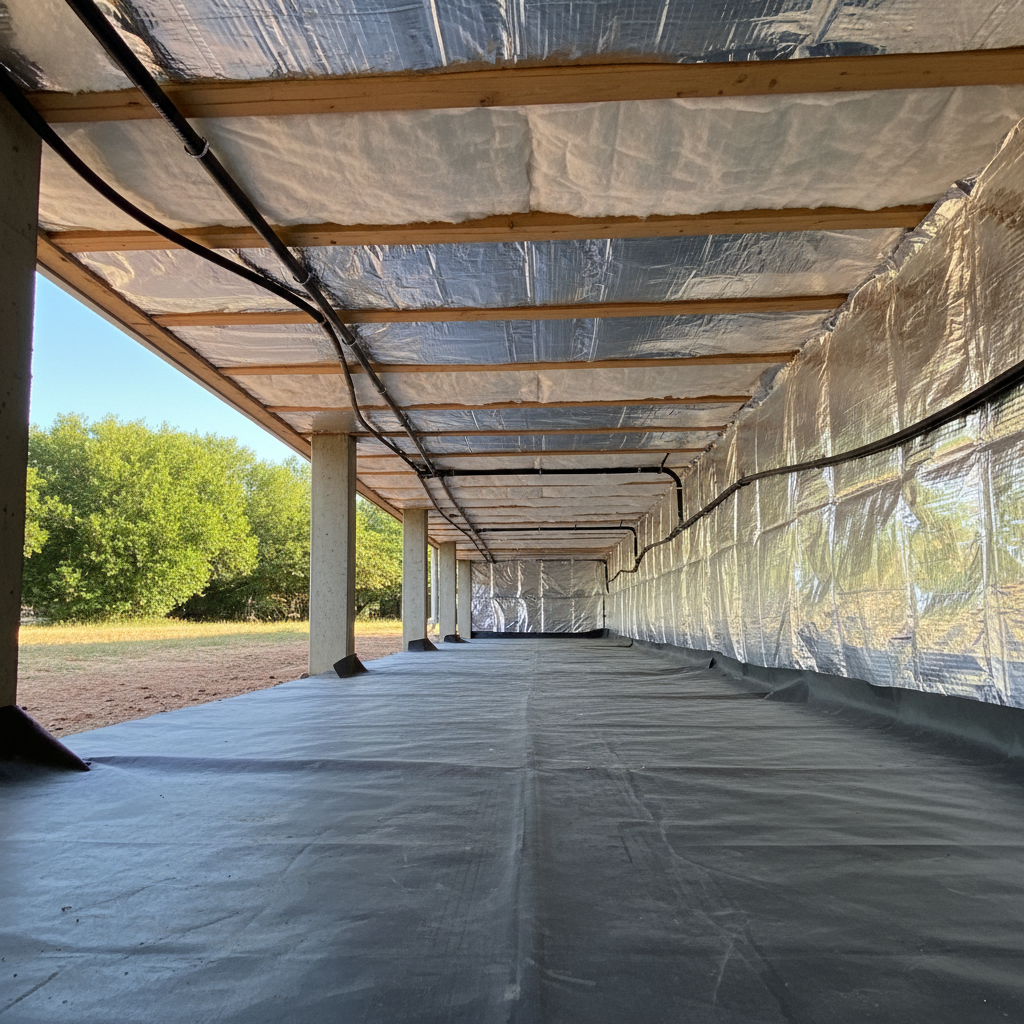
Is your crawl space working for you, or against you? Down here in Grand Prairie, we know a thing or two about extreme weather. Those hot, humid summers and surprisingly chilly winters can really mess with your home's energy efficiency if your crawl space isn't properly insulated. A lot of folks don't even think about what's going on under their house, but I'm telling you, it's a critical area for comfort and utility bills.
Grand Prairie's Climate and Your Crawl Space
Let's talk about our local climate. We get that sticky, humid air for months on end. That moisture doesn't just stay outside; it loves to find its way into unconditioned spaces like your crawl space. When that warm, moist air meets cooler surfaces under your home, you get condensation. That's a recipe for mold, mildew, and wood rot. Not only that, but an uninsulated crawl space acts like a giant, unsealed vent, letting hot air in during summer and cold air in during winter, directly impacting the temperature of your floors and the air circulating through your home.
Think about some of those older homes around Dalworthington Gardens or even some of the newer builds in areas with less-than-ideal drainage. I've seen plenty of crawl spaces that are just open to the elements, or have old, batt insulation that's fallen down, gotten wet, and is now just a moldy mess. That's not doing anyone any good. Proper insulation and encapsulation can really seal off that environment, keeping the bad stuff out and your conditioned air where it belongs.
When to Schedule Crawl Space Insulation
Timing is everything when it comes to this kind of work. Honestly, the best time to schedule crawl space insulation is whenever you notice a problem or when you're ready to make the investment in your home's efficiency. But if we're talking ideal conditions, I'd say:
- Fall or Spring: These are usually the sweet spots. The temperatures aren't too extreme, and the humidity isn't at its peak. This makes for a more comfortable working environment for my crew and generally means the crawl space itself isn't super damp or scorching hot.
- Before a Major Renovation: If you're planning on redoing floors or making other big changes, it's smart to get the crawl space sorted first. It's easier to access and you won't risk damaging new finishes.
- Anytime You're Seeing Issues: Don't wait if you're experiencing cold floors, high energy bills, musty odors, or pest problems. These are all signs your crawl space needs attention, and the sooner you address it, the better.
Weather Conditions That Affect the Work
While we can work in most conditions, some weather definitely makes the job harder or even impossible:
- Heavy Rain: This is a big one. We can't properly seal or insulate a crawl space that's actively flooding or has standing water. We'd need to wait for it to dry out, and sometimes recommend drainage solutions first.
- Extreme Heat/Humidity: While we can work in it, it's tougher. High humidity can also affect the curing time for certain sealants or adhesives we might use during encapsulation.
- Freezing Temperatures: Not as common here, but if it's below freezing, some materials might not perform as well, and it's just plain miserable for the crew.
We always check the forecast and communicate with you if we think the weather will impact the schedule. Our priority is doing the job right, and sometimes that means waiting for better conditions.
Protecting Your Investment Year-Round
Once you've got your crawl space insulated and possibly encapsulated, you've made a smart investment. Here's how you keep it paying off:
- Regular Inspections: I always recommend a yearly check-up. Just like you get your HVAC serviced, take a peek (or have us take a peek) at your crawl space. Look for any signs of moisture, pests, or damage to the insulation.
- Maintain Drainage: Make sure your gutters are clean and diverting water away from your foundation. Proper grading around your house is crucial. If water pools near your home, it's going to find a way into that crawl space.
- Address Leaks Immediately: Any plumbing leaks under the house need to be fixed pronto. Even with encapsulation, a persistent leak can cause problems.
- Keep Vents Sealed (if encapsulated): If your crawl space is encapsulated, those old foundation vents should be sealed. They're not needed anymore and just let in unwanted air and pests.
A well-insulated and maintained crawl space means a more comfortable home, lower energy bills, and fewer headaches down the road. It's one of those 'out of sight, out of mind' areas that really shouldn't be ignored. If you're in Grand Prairie and wondering about your crawl space, give us a shout at Oasis Insulation. We're happy to take a look and give you an honest assessment of what you need.