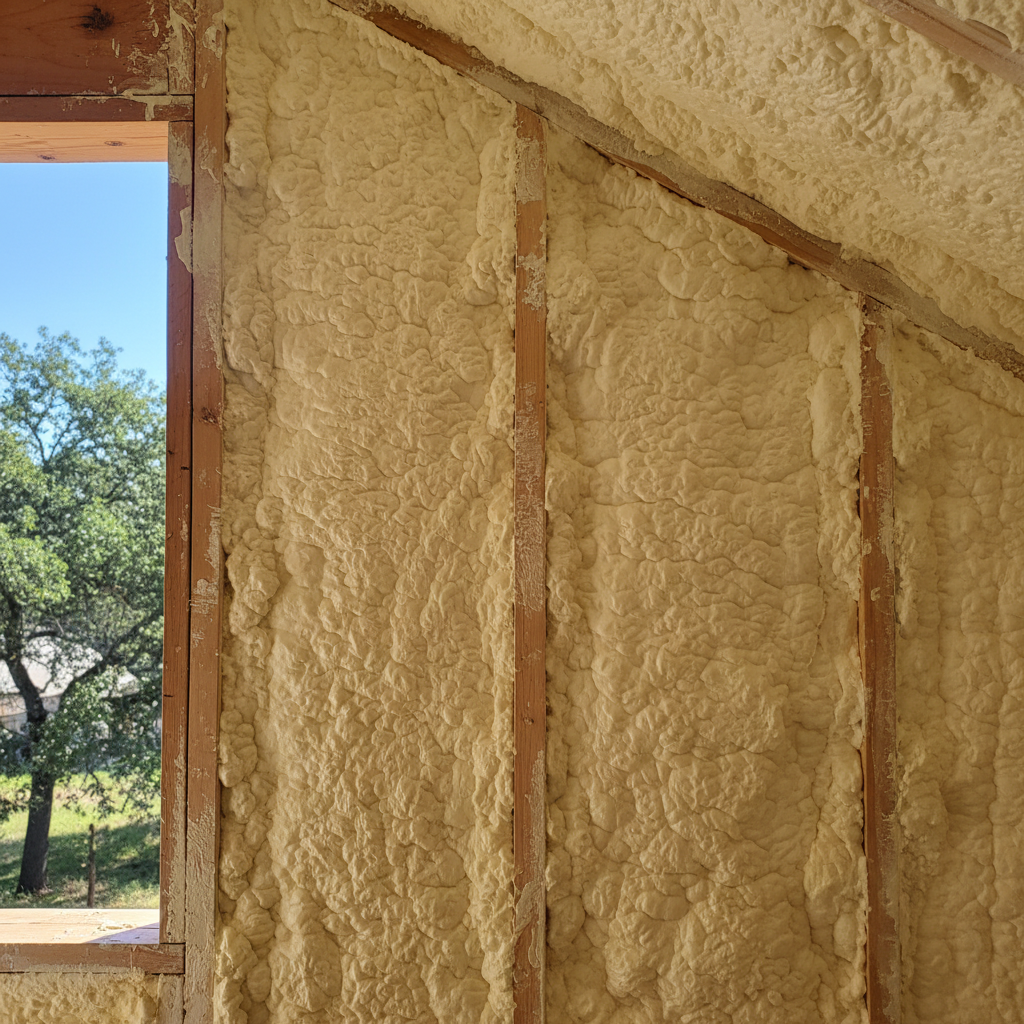
So, you're looking at closed-cell spray foam? Smart move. This stuff isn't just insulation; it's a game-changer for your home's energy efficiency, comfort, and even structural integrity. But before you dive in, you need to know what you're getting into. It's not like rolling out fiberglass batts, that's for sure.
Before You Start: Planning & Prep
First off, let's be real: closed-cell spray foam isn't a typical DIY project for most folks. It's a two-part chemical process that needs precise mixing, proper safety gear, and specific application techniques. If you're thinking about insulating a small, simple area like a rim joist in your crawl space, and you're comfortable with detailed instructions and serious safety precautions, a small DIY kit might be an option. But for anything larger—like an entire attic, walls, or a new addition—you're almost certainly going to want a professional.
Why? Well, for one, the chemicals are no joke. You need full personal protective equipment (PPE): a respirator with appropriate cartridges, gloves, eye protection, and full-body coverage. Get it on your skin or breathe it in wrong, and you're asking for trouble. Then there's the application. The foam expands rapidly, and if you don't apply it evenly or at the right thickness, you end up with uneven insulation, wasted material, and potentially a mess. Plus, you need to hit specific temperatures for the chemicals to react correctly. In Grand Prairie, with our wild temperature swings, that can be tricky to control without the right equipment.
Before any foam goes down, you've got to prep the area. This means cleaning surfaces thoroughly—dust, dirt, and oil can prevent proper adhesion. You'll also need to seal off any areas you don't want foam on, like ductwork, electrical boxes, or plumbing. Taping off and using plastic sheeting is key. If you're doing a small DIY job, make sure you've got everything covered and ventilated properly. If you're hiring us, Oasis Insulation, we handle all that prep work, so you don't have to worry about overspray or missed spots.
During the Project: Application & Safety
If you're going the DIY route for a small job, follow the kit instructions to the letter. Don't skip steps, especially the safety ones. Make sure you have plenty of ventilation. Open windows, use fans, and keep people and pets out of the area until the foam has fully cured and any lingering odors are gone. This can take 24-48 hours, sometimes longer depending on the product and conditions. Remember, closed-cell foam is dense, and it cures hard. You can't just peel it off if you make a mistake.
When a pro does it, we bring specialized equipment: heated hoses, high-pressure spray guns, and large tanks of the two chemical components. This allows for consistent mixing and application, which is crucial for getting the R-value you're paying for. We're also trained to spot potential issues, like moisture problems or areas that need extra attention. For example, in older Grand Prairie homes, especially those built on pier and beam foundations, we often see issues with air leakage around the perimeter. Closed-cell foam seals those gaps up tight, making a huge difference.
After the Project: Curing & Cleanup
Once the foam is applied, whether by you or a pro, it needs to cure. You'll notice it hardening and expanding. Once it's hard to the touch and the chemical smell has dissipated, it's generally safe to be around. For DIY kits, you might have some trimming to do if you over-applied in certain spots. A sharp utility knife can take care of that, but be careful not to damage anything underneath.
For professional jobs, cleanup is part of the service. We'll remove all the plastic sheeting and any debris. You shouldn't have to do much more than enjoy your quieter, more comfortable home. One thing to keep in mind: if you ever need to run new wiring or plumbing through an area that's been sprayed with closed-cell foam, it's going to be a lot harder. This stuff is tough. So, plan ahead for any future renovations or electrical work before you insulate with closed-cell.
Look, closed-cell spray foam is fantastic. It offers superior air sealing, moisture resistance, and a high R-value per inch. But for most homeowners, especially for larger projects, it's a job best left to the experts. You'll get a better, safer, and more effective result, and you won't have to worry about chemical exposure or a botched application. Give us a call at Oasis Insulation if you're thinking about it; we're happy to talk through your options and see if it's the right fit for your home.