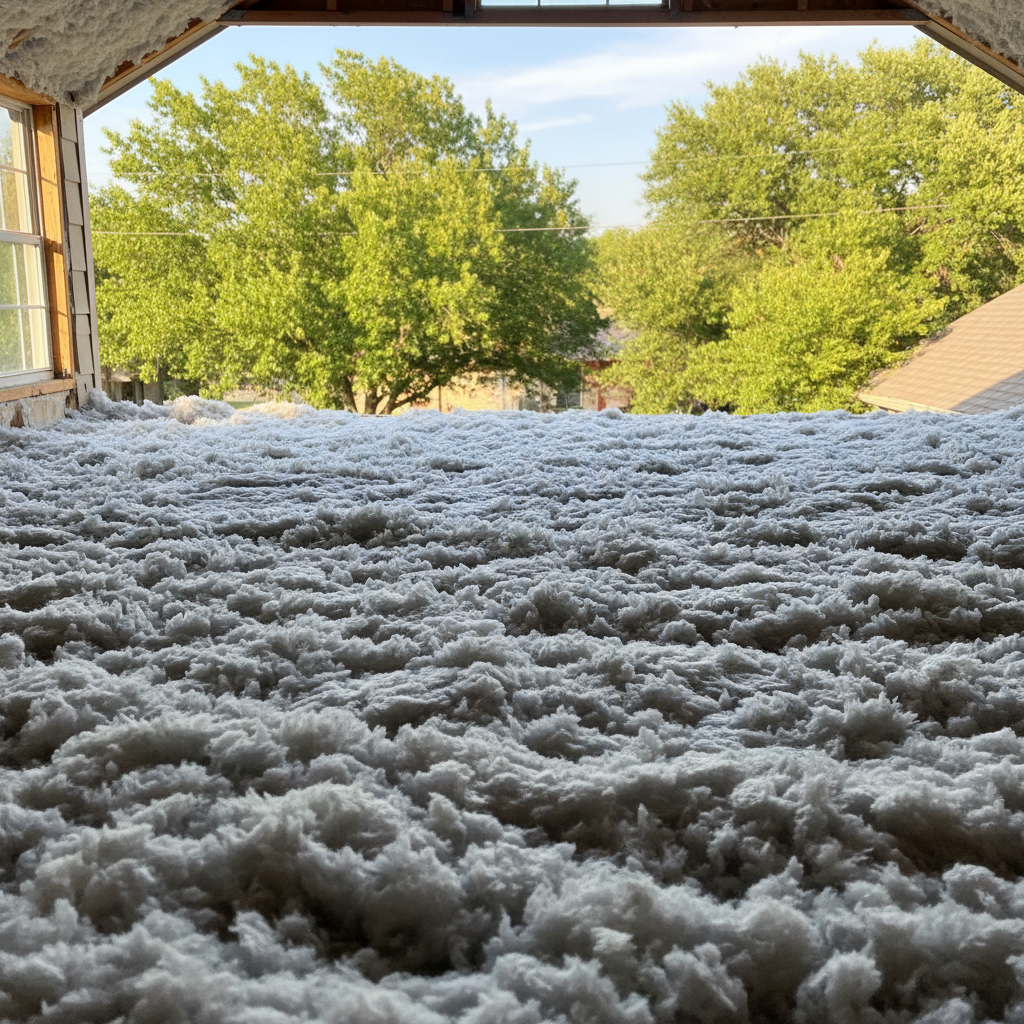
So, you've got blown-in insulation in your attic. Smart move! It's a great choice for keeping your Grand Prairie home comfortable and stopping your AC from working overtime during those brutal Texas summers. But here's the thing: while it's pretty low maintenance, it's not *no* maintenance. You really need to keep an eye on it if you want it to do its job for decades.
Making Your Blown-In Insulation Last Longer
You want your blown-in insulation to stick around as long as possible, right? Of course you do. Luckily, a lot of its lifespan depends on how your attic is set up and how you treat it. First off, moisture is the absolute enemy. We get some serious humidity here in Grand Prairie, and if that sneaks into your attic and insulation, you're looking at big problems – mold, mildew, and insulation that just stops working. So, make sure your roof is in good shape. After a heavy rain, check for leaks. If you've got any plumbing vents or exhaust fans blowing into the attic instead of outside, fix that right away. That warm, moist air will condense and soak your insulation, trust me.
Another tip? Don't squish it. Blown-in insulation, whether it's fiberglass or cellulose, works by trapping air. If you walk all over it or store heavy boxes directly on it, you're pressing out that air, and it loses its insulating power. If you find yourself in the attic often, lay down some plywood walkways. That way, you're not stepping directly on the insulation. It's a simple step, but it makes a huge difference.
What You Need to Do for Regular Maintenance
Alright, so what does the actual maintenance look like? It's not a daily chore, I promise. I'd say once a year, usually in the spring or fall when the attic isn't a hundred degrees, you should head up there for a quick inspection. Grab a flashlight and take a good look around.
- Check for settling: Over time, especially with cellulose, blown-in insulation can settle a bit. You might notice areas where it looks thinner. If it's dropped significantly, you might need to top it off.
- Look for signs of pests: Rodents, birds, even insects can set up shop in your attic. They'll tunnel through insulation, compress it, and leave droppings. If you see trails, nests, or droppings, you've got a pest problem that needs to be dealt with. They don't just mess up your insulation; they can chew wires and cause other damage too.
- Inspect for moisture: Are there any dark spots on the insulation or the wood framing? That screams "leak." Track it down and get it fixed. A small leak can turn into a huge headache if you ignore it.
- Ensure proper ventilation: Your attic needs to breathe. Make sure your soffit vents aren't blocked by insulation and that your ridge or gable vents are clear. Good airflow helps prevent moisture buildup and keeps your attic cooler in the summer, which means your AC doesn't have to work as hard. This is especially important in our Grand Prairie climate where attics can get incredibly hot.
It's all about being proactive. A little check-up once a year can save you a lot of money and hassle down the road.
Warning Signs of Problems
Your house will tell you if there's an issue with your insulation. You just gotta listen. Here are some red flags:
- Higher energy bills: If your AC is running constantly and your electric bill is climbing, but your usage habits haven't changed, compromised insulation could be the culprit.
- Uneven temperatures: Are some rooms noticeably hotter or colder than others? That's a classic sign of insulation issues, especially if it's localized to certain areas.
- Drafts: Feeling drafts even when windows and doors are closed? Your insulation might not be doing its job, or you might have air leaks that need sealing.
- Pest activity: Hearing scratching or scurrying in the attic? Seeing droppings? Don't ignore it. Pests can destroy insulation fast.
- Visible damage: If you do go into the attic and see wet, matted, or heavily compressed insulation, you've got a problem that needs addressing.
Don't just shrug these off. They're telling you something's wrong, and the sooner you deal with it, the better.
When to Call a Professional
Look, some things you can handle yourself, like clearing a blocked soffit vent. But there are times when you absolutely need to call in the pros. If you're seeing widespread moisture damage, significant pest infestations, or if your insulation is just too thin and needs a top-off, that's when you call someone like us at Oasis Insulation.
We can assess the situation properly, identify the root cause of any problems, and recommend the right solutions. Sometimes it's just a matter of adding more insulation; other times, it might involve air sealing or dealing with a bigger structural issue. Trying to DIY a major insulation problem can often lead to more headaches and expense down the line.
Especially with the extreme heat and humidity we get in places like the Dalworth Park area of Grand Prairie, you want your insulation performing at its peak. Don't let a small issue turn into a major comfort and energy drain. A professional inspection can help you out and ensure your home stays comfortable and efficient for years to come.