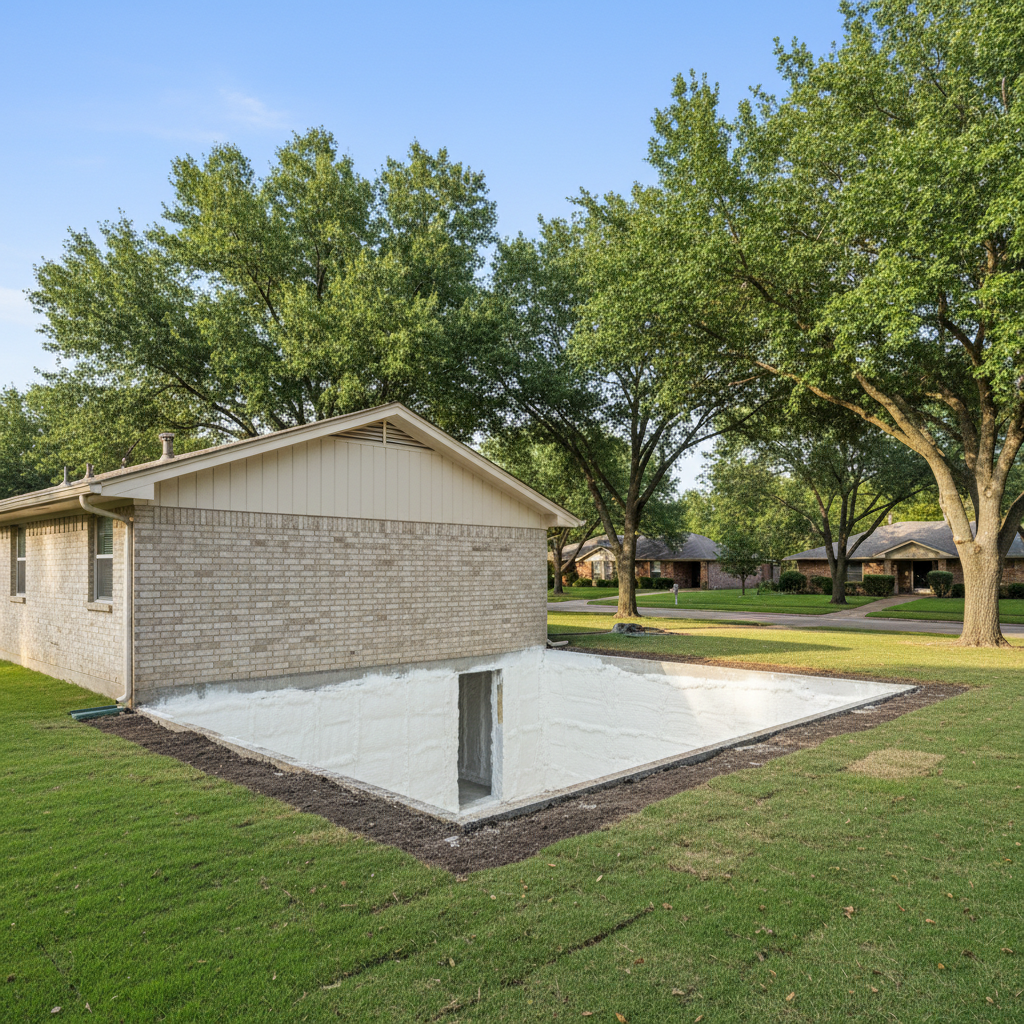
You ever wonder about insulating your basement here in Grand Prairie? Most folks don't, not really. They think, 'It's a basement, it's already underground, it must be insulated enough.' But that's a common mistake I see all the time, and it can cost you a good chunk of change on your energy bills, not to mention making your home less comfortable.
Why Basements Need Insulation, Even in Texas
Look, we don't get the brutal, long winters like up north, that's true. But we get our share of cold snaps, and those can make an uninsulated basement feel like an icebox. More importantly, we get scorching hot summers. A basement that's not properly insulated acts like a heat sink in reverse. It lets the cool air from your AC escape into the ground, and it can also let the ground's warmth seep in during the summer, making your AC work overtime to keep things comfortable upstairs.
Then there's the humidity. Oh man, the humidity. We know all about that here. An uninsulated basement can be a real magnet for moisture, leading to dampness, musty smells, and even mold growth. Insulation helps create a thermal barrier, which means less condensation and a drier, healthier space. You don't want to be dealing with mold issues, trust me. It's a headache nobody needs.
Local Conditions Matter: Grand Prairie's Clay Soil and Humidity
This isn't just generic advice; it's specific to us. Our Grand Prairie soil, especially that heavy black clay many of us have, holds onto moisture like nobody's business. That means your basement walls are constantly in contact with damp, cool earth. Without a proper thermal break, that coolness (or warmth, depending on the season) just transfers right into your home. It's like having a giant, uninsulated cooler attached to the bottom of your house.
I've worked on homes all over, from the older places near Joe Pool Lake to the newer developments out towards Mansfield. The issues might vary slightly, but the need for good insulation in the basement is consistent. Especially if you're thinking about finishing your basement, or if you've already got a finished space down there that just feels off, insulation is your first step to making it truly usable and efficient.
What Kind of Insulation Works Best?
When it comes to basements, you've got a few options, but some are definitely better than others for our climate. Fiberglass batts are common, but they can be problematic in basements if moisture is an issue, as they can absorb water and lose their effectiveness. You're often better off with something that can handle a bit more moisture and provide a better air seal.
- Rigid Foam Boards: These are great. They don't absorb water, they provide a good R-value, and they can act as a vapor barrier. You typically attach them directly to the concrete walls.
- Spray Foam Insulation: This is my personal favorite for basements. It creates an incredible air seal, fills every nook and cranny, and has a high R-value per inch. It's more expensive upfront, but the energy savings and comfort improvements are usually worth it. It also helps with moisture control by preventing air and vapor infiltration.
- Mineral Wool: This is another good option that resists moisture and fire. It's denser than fiberglass and offers good thermal performance.
The key is to insulate the walls, not just the ceiling. Insulating the ceiling only separates the basement from the upstairs, but it doesn't protect the basement itself from the outside ground temperatures. You want to bring that basement into your home's conditioned envelope.
Why Local Expertise from Oasis Insulation Makes a Difference
You can read all the general insulation guides you want, but knowing how to apply that knowledge to a Grand Prairie home is where the real value comes in. I've been doing this for years here. I know what our building codes require, what our soil conditions do to foundations, and what kind of moisture challenges we face. We're not just throwing insulation up; we're designing a system that works for your home, in this climate.
If your basement is cold, damp, or just plain uncomfortable, or if your energy bills are higher than they should be, it's worth having a professional take a look. We can assess your specific situation, tell you what's going on, and give you the best options for making your basement a truly integrated, comfortable part of your home. Don't just guess; get it done right the first time.