Is your attic insulation doing its job? That's a question I get a lot, especially when folks are staring down another scorching Grand Prairie summer or a surprisingly chilly winter snap. I've been in this business a long time, and I've seen just about every insulation situation you can imagine. Homeowners around here, whether you're in a newer build out by Joe Pool Lake or an older place in Dalworth Park, often have similar concerns. Let's tackle some of the most common questions I hear about attic insulation.
How do I know if my attic insulation is even good enough?
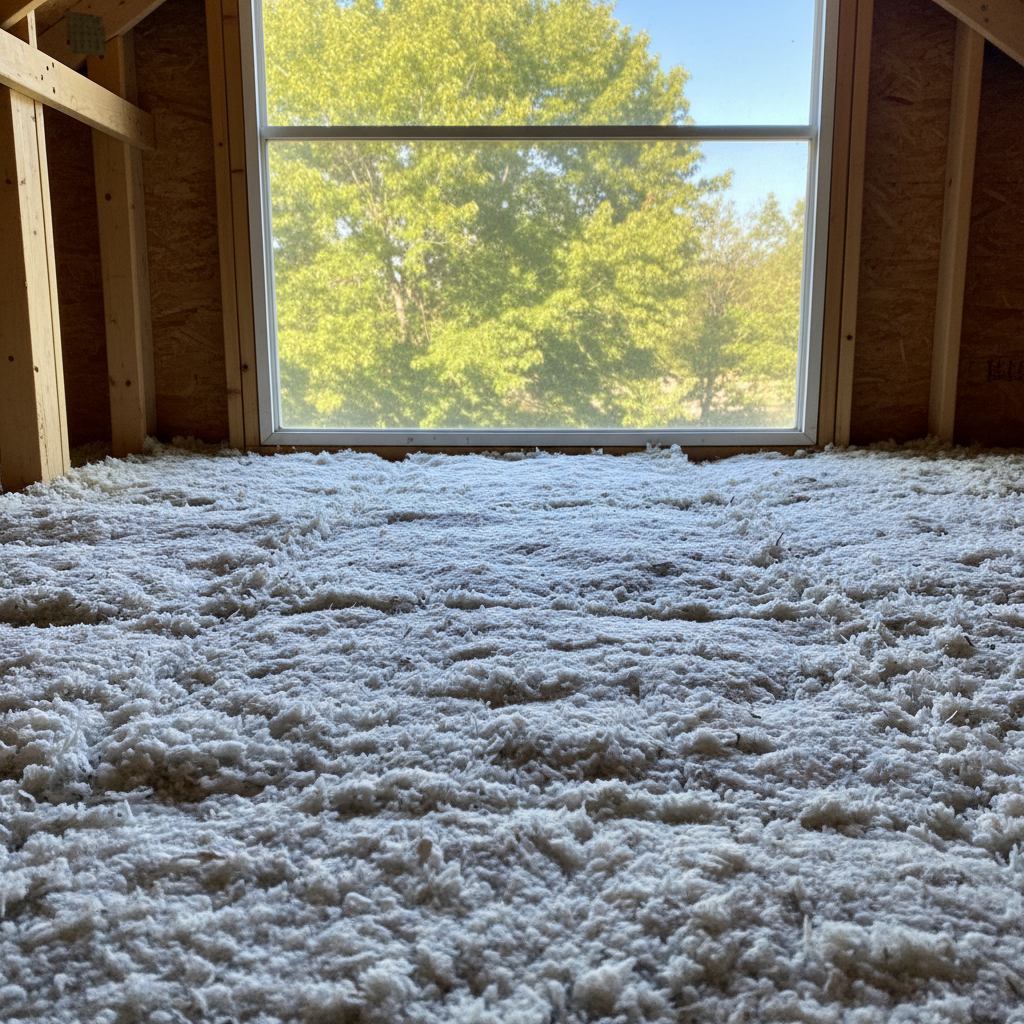
This is probably the number one question. The easiest way to tell if your insulation is up to snuff is to look at it. You want to see insulation that's at least level with or above your floor joists. If you can see the tops of those joists, you probably don't have enough. For Grand Prairie, with our hot summers and occasional cold snaps, you're generally shooting for an R-value of R-38 to R-60. That usually means about 12 to 18 inches of blown-in fiberglass or cellulose. If you've got old, matted-down fiberglass batts that look thin and dusty, they're probably not doing much for you anymore. Another big clue? Your energy bills. If they're through the roof, and your HVAC system is constantly running, poor insulation is a prime suspect.
What's the deal with R-value? Do I really need to understand it?
You don't need to be an expert, but it's good to know the basics. R-value is just a measure of thermal resistance. The higher the R-value, the better the insulation's ability to resist heat flow. Think of it like a blanket for your house. A thicker, denser blanket (higher R-value) keeps you warmer or cooler. For attics in our climate zone (Zone 2 for Grand Prairie), the Department of Energy recommends R-38 to R-60. You'll often hear us talk about how many inches of insulation you need to hit that R-value. It's not just about the material; it's about the depth and density.
Can I just add more insulation on top of what I already have?
In many cases, yes, you can. This is often the most cost-effective way to improve your attic's thermal performance. If your existing insulation is dry, clean, and not severely damaged or moldy, we can usually blow new insulation right over it. It's important to make sure the existing material isn't compressed or wet, though, because that'll kill its R-value. We also need to make sure we're not covering up any attic vents, especially soffit vents, which are crucial for proper airflow. Sometimes, if the old stuff is really bad or contaminated, we'll recommend removing it first. But for a lot of homes, an overlay is a great option.
What about ventilation? Does that matter with insulation?
Absolutely, it matters a ton. Insulation and ventilation work hand-in-hand. You can have the best insulation in the world, but if your attic isn't properly ventilated, you're still going to have problems. In the summer, good ventilation helps hot air escape, preventing heat buildup that can radiate down into your living space and make your AC work overtime. In the winter, it helps prevent moisture buildup, which can lead to mold and rot. We're talking about a system of intake vents (usually in the soffits) and exhaust vents (like ridge vents or roof vents). Without that continuous airflow, you're just trapping heat and moisture, which defeats a lot of the purpose of good insulation. It's a balance, and we always check your ventilation when we're up there.
Will new insulation really save me money on my energy bills?
You bet it will. This isn't marketing fluff; it's a fact for most homes. Your attic is a huge source of heat gain in the summer and heat loss in the winter. By properly insulating it, you're creating a much better thermal barrier. This means your HVAC system doesn't have to work as hard to maintain a comfortable temperature inside your home. Less work for your AC and furnace means less energy consumed, and that translates directly to lower utility bills. How much you save depends on how bad your current insulation is, but for many Grand Prairie homeowners, the savings can be significant enough to make the upgrade pay for itself over a few years. It's one of the best home improvements you can make for long-term savings and comfort.
Are there any rebates or incentives for upgrading insulation in Grand Prairie?
Sometimes, yes! It's always worth checking. Utility companies like Oncor often have programs or rebates for energy-efficient home improvements, and insulation upgrades frequently qualify. These programs can change, so I always recommend checking their websites or giving them a call. There are also federal tax credits that pop up from time to time for energy-efficient upgrades. We don't handle the rebate paperwork directly at Oasis Insulation, but we can certainly point you in the right direction to find out what's currently available. It's free money if you qualify, so it's definitely worth looking into.
Hopefully, this clears up some of those nagging questions you might have about your attic. Don't hesitate to reach out if you've got more specific concerns about your home; we're always happy to take a look.